Cyber privacy involves protecting personal data and controlling how it’s shared in the digital domain. From basic details like names to complex data like browsing habits, it encompasses all information that can identify or track individuals online. With increasing cyber threats and data breaches, maintaining privacy has become vital for preventing identity theft, financial fraud, and unauthorized surveillance. Organizations worldwide now face strict regulations like GDPR and CCPA. Understanding these protections helps users safeguard their digital footprint in today’s interconnected environment.

While digital technology has revolutionized how people live, work, and connect, it has also created unprecedented challenges for protecting personal information in cyberspace. Cyber privacy, at its core, encompasses the fundamental right of individuals to control their personal data and determine how it’s shared in the digital domain. This includes everything from basic identifiers like names and addresses to more nuanced information such as online behaviors, location data, and digital communications.
The significance of cyber privacy cannot be understated in today’s interconnected world. As organizations collect vast amounts of personal data to deliver services, the risk of unauthorized access and misuse grows exponentially. Identity theft, financial fraud, and corporate espionage have become increasingly sophisticated, making robust privacy protections essential for both individuals and organizations. The trust between users and digital service providers hinges on their ability to safeguard sensitive information effectively. Additionally, laws such as the CCPA California Privacy Act have emerged to empower consumers with rights over their personal data and establish data protection standards that organizations must follow. Organizations must also comply with GDPR compliance requirements to ensure they protect users’ data adequately. Cybersecurity measures are critical in mitigating these risks and ensuring data remains secure.
Protecting personal data has become critical as cyber threats evolve and organizations collect more information in our interconnected digital world.
Modern challenges to cyber privacy are multifaceted and ever-evolving. Companies often collect more data than users realize, while inadequate security measures lead to devastating breaches that expose sensitive information. Sophisticated cyber attacks constantly probe for vulnerabilities, while inconsistent privacy regulations across different jurisdictions create confusion and compliance challenges. Many users remain unaware of how their personal information is collected, stored, and monetized by various platforms and services.

The landscape of data privacy extends far beyond simple personal identifiers. Today’s digital footprint includes behavioral patterns, browsing histories, and even biometric data. Organizations must implement robust access control mechanisms and embrace data minimization principles to reduce potential risks. Transparency in data collection practices and obtaining meaningful user consent have become vital elements of ethical data handling, though implementation often falls short of ideal standards.
Legal frameworks worldwide have emerged to address these challenges, with landmark regulations like the GDPR in Europe and CCPA in California leading the way. These laws impose strict requirements on how organizations collect, process, and protect personal data, with significant penalties for non-compliance. However, the rapidly evolving nature of technology often outpaces regulatory efforts, creating ongoing challenges for privacy protection. Understanding international data protection laws is crucial for businesses to navigate these complex landscapes effectively.
The future of cyber privacy depends on a delicate balance between technological innovation and personal protection. As artificial intelligence, Internet of Things devices, and other emerging technologies generate increasingly detailed personal data, the need for robust privacy protections becomes more important. Organizations must adapt their practices to meet growing privacy expectations, while individuals need to become more aware of their digital rights and take proactive steps to protect their personal information in an increasingly connected world.
Frequently Asked Questions
How Can I Protect My Children’s Privacy When They Use Social Media?
Parents can safeguard their children’s social media privacy by implementing several key measures.
Setting strict privacy controls, monitoring online activities, and using parental control apps are essential first steps. They should teach kids to avoid sharing personal information, enable two-factor authentication, and regularly review friend lists.

It’s vital to check platform age restrictions and discuss digital citizenship. Regular conversations about online safety help children develop responsible social media habits.
What Encryption Methods Are Most Effective for Securing Personal Messages?
End-to-end encryption (E2EE) is currently the most secure method for protecting personal messages.
Apps like Signal and WhatsApp use this technology, combining both asymmetric and symmetric encryption.
For maximum security, AES-256 symmetric encryption paired with ECC asymmetric encryption provides exceptional protection.

When selecting messaging apps, users should prioritize those offering E2EE by default, as it guarantees messages remain private between sender and recipient.
Should I Use a VPN When Connecting to Public Wi-Fi Networks?
Using a VPN on public Wi-Fi networks is highly recommended for protecting sensitive data.
Public networks are prime targets for cybercriminals who can easily intercept unencrypted information like passwords and credit card details. A VPN creates an encrypted tunnel that shields data from potential eavesdroppers, making it virtually impossible for attackers to access personal information.
Additionally, it masks the user’s IP address, preventing location tracking and maintaining anonymity while browsing.
How Often Should I Change My Passwords for Optimal Security?

Modern security guidelines recommend changing passwords only when necessary, rather than following arbitrary schedules.
The best practice is to change passwords annually or when there’s suspicion of compromise. Frequent changes often lead to weaker variations of old passwords.
Instead, users should focus on creating strong, unique passwords and enabling multi-factor authentication.
Using a password manager helps generate and store complex passwords securely without the need for frequent changes.
What Privacy Settings Should I Enable on My Smart Home Devices?
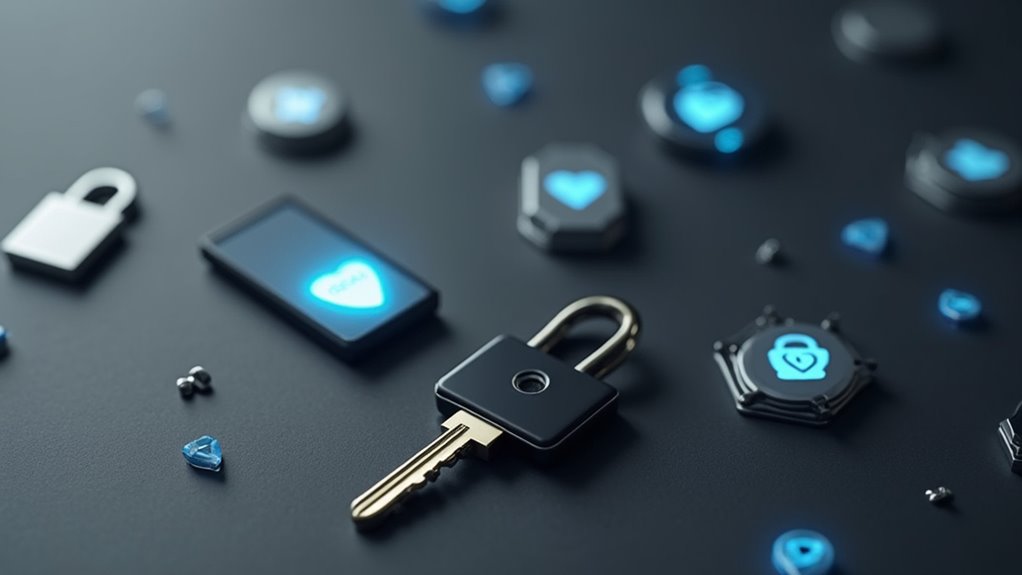
Users should immediately disable unnecessary data collection, enable two-factor authentication, and set up voice recognition to limit device access.
It is crucial to review privacy settings for each smart device, restricting data sharing with manufacturers and third parties.
Creating a separate IoT network adds security, while regularly updating firmware patches vulnerabilities.
Physical controls like muting microphones and cameras when not in use provide additional privacy protection.