Leading antivirus solutions for iPhone include Norton Mobile Security, Bitdefender, McAfee, and Avira, each offering unique protection features against modern cyber threats. Norton excels in real-time malware detection, while Bitdefender focuses on anti-phishing. McAfee prioritizes identity protection, and Avira provides essential security features at no cost. Despite iOS’s built-in security, these solutions enhance device safety through web protection, WiFi scanning, and breach monitoring. Exploring these options reveals layers of additional security benefits.
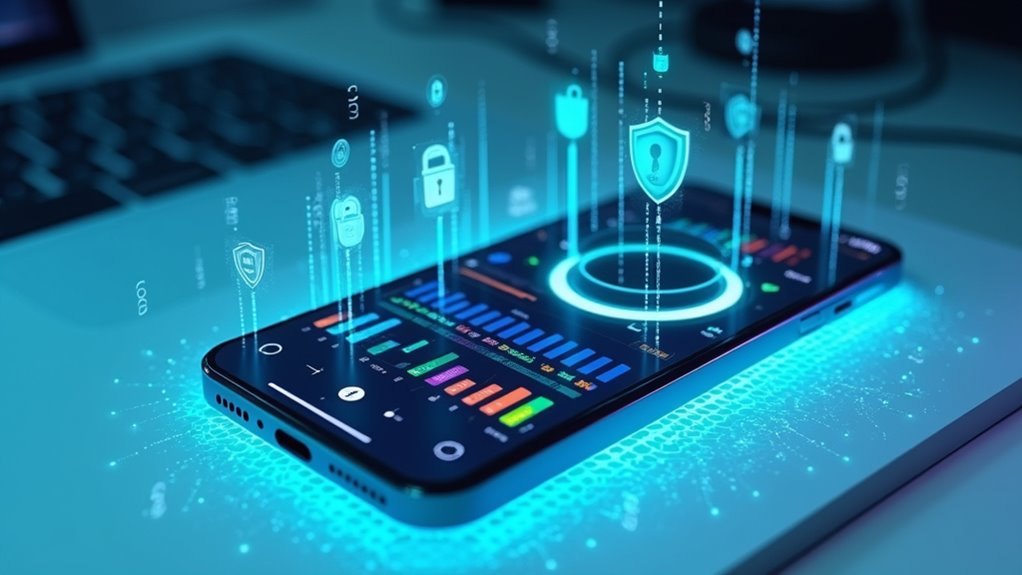
While iPhones are renowned for their built-in security features, the growing sophistication of cyber threats has made dedicated antivirus solutions increasingly valuable for iOS users. The environment of iPhone security has evolved beyond Apple’s native protections, with several top-tier antivirus providers offering thorough solutions that enhance device safety and user privacy. Additionally, a solid antivirus solution can significantly contribute to a user’s overall comprehensive security strategy. Many professionals also advocate for the use of essential cybersecurity tools to further bolster their protection. In today’s digital landscape, choosing the right antivirus is essential for small businesses to safeguard their sensitive data and maintain operational integrity, as highlighted by business-specific protections. Furthermore, understanding the local threats that may target iPhone users is crucial for effective protection.
Norton Mobile Security stands out as the leading contender for iPhone protection, delivering 100% real-time malware detection alongside advanced threat analysis capabilities. Its robust feature set includes phishing protection, WiFi scanning, and dark web monitoring, making it an excellent choice for users seeking complete digital security. The ability to protect up to 10 devices simultaneously and compatibility with iOS 13.0+ further strengthens its position as a top solution.
Bitdefender Mobile Security emerges as a powerful alternative, particularly excelling in anti-phishing and breach monitoring. The platform’s cloud-based malware scanning and VPN service, though limited to 200 MB daily, provide essential protection layers for security-conscious users. While it doesn’t offer a free version, its reasonable pricing starting at $9.99 annually makes it an accessible option for most iPhone users.

McAfee Security & WiFi Privacy takes a distinct approach by focusing on identity protection services. Its specialized tools for securing WiFi connections and monitoring compromised credentials make it particularly appealing to users who frequently conduct sensitive transactions on their devices. The solution’s emphasis on identity safety sets it apart in the increasingly important domain of personal data protection.
Avira Mobile Security proves that effective protection doesn’t always require a premium price tag. As the best value option, it delivers essential security features including call blocking, anti-theft measures, and identity protection at no cost. While its VPN data is limited, the free tier provides adequate protection for budget-conscious users who need fundamental security coverage.
It’s worth noting that iOS’s built-in security architecture creates certain limitations for third-party antivirus applications. These solutions can’t perform full device scans like their Android counterparts, instead focusing on web safety, phishing protection, and privacy enhancement. However, they compensate by offering valuable additional features such as spam filtering, breach monitoring, and cross-device synchronization. Endpoint protection software is increasingly important for comprehensive security strategies.
The impact on device performance remains minimal across these solutions, addressing a common concern among potential users. Whether choosing Norton’s thorough protection, Bitdefender’s strong anti-phishing capabilities, McAfee’s identity-focused approach, or Avira’s cost-effective solution, iPhone users now have access to robust security options that complement Apple’s native defenses.

The key lies in selecting a solution that aligns with individual security needs and usage patterns while providing reliable protection against evolving cyber threats.
Frequently Asked Questions
Can Iphones Get Viruses Through Charging Cables?
Yes, iPhones can be compromised through malicious charging cables.
Hackers can modify USB cables with hidden implants that look identical to regular chargers but contain malware. When connected, these cables can potentially access personal data or install harmful software.
Apple has implemented security features like unfamiliar charger warnings, but the safest approach is using only personal, verified charging equipment and avoiding public charging stations altogether.
How Often Should I Scan My Iphone for Malware?
Traditional virus scanning isn’t necessary for iPhones since iOS’s built-in security prevents third-party scanning apps.

Instead of regular scans, users should monitor their device for unusual behavior like unexpected pop-ups, battery drain, or data spikes.
When these signs appear, checking installed apps and clearing browser data is recommended.
The best protection comes from keeping iOS updated, avoiding jailbreaking, and downloading apps only from the App Store.
Do Free Iphone Antivirus Apps Provide Adequate Protection?
Free iPhone antivirus apps offer limited protection compared to paid alternatives.

While they provide basic features like URL blocking and identity monitoring, they lack essential real-time scanning capabilities due to iOS restrictions.
Their outdated threat databases, minimal phishing defense, and data privacy concerns make them inadequate for thorough security.
Apple’s built-in security measures, including app sandboxing and automatic updates, actually provide better baseline protection than most free antivirus solutions.
Will Antivirus Software Drain My Iphone’s Battery Significantly?
Antivirus software on iPhones typically causes minimal battery drain due to iOS’s strict background activity controls.

Unlike Android devices, iPhones restrict continuous background scanning, limiting the impact on battery life.
Most battery drain issues are actually caused by factors like screen brightness, background app refresh, or degraded battery health.
Users concerned about battery life should focus more on these common culprits rather than worrying about their antivirus app’s impact.
Can Jailbreaking My Iphone Make It More Vulnerable to Viruses?
Yes, jailbreaking greatly increases an iPhone’s vulnerability to viruses and malware.

By bypassing Apple’s built-in security measures, jailbroken devices lose essential protections that normally prevent unauthorized code execution. Users gain access to unofficial app stores and repositories, which often contain malicious software disguised as legitimate apps.
Without Apple’s security framework and automatic updates, these devices become prime targets for cybercriminals seeking to exploit vulnerabilities and steal sensitive data.