When hackers breach smart water systems, they can remotely manipulate water treatment controls, contaminate drinking supplies, and drain reservoirs through compromised irrigation networks. Over 300 US water systems serving 110 million Americans have known vulnerabilities. Attackers exploit poorly secured access portals to create botnets that disrupt operations, causing equipment damage and service outages. The financial and public health consequences can be severe, affecting entire communities. Understanding these risks reveals just how essential proper cybersecurity measures have become.
While smart water systems have revolutionized the way cities manage their water infrastructure, these digital advancements have created new vulnerabilities that cybercriminals are keen to exploit. Recent assessments reveal a troubling reality: over 300 US drinking water systems, serving approximately 110 million Americans, contain known cybersecurity vulnerabilities that could be exploited by malicious actors. Cybersecurity for small businesses is proving to be a critical necessity across various sectors, including utilities. Additionally, the growing reliance on technology in these systems highlights the increasing importance of cyber liability insurance to safeguard against potential financial repercussions. As attackers become more sophisticated, the need for threat assessments in cybersecurity also becomes crucial to identify and address potential weaknesses. Furthermore, industry experts emphasize that the implementation of regular security assessments is essential to mitigate these vulnerabilities effectively.
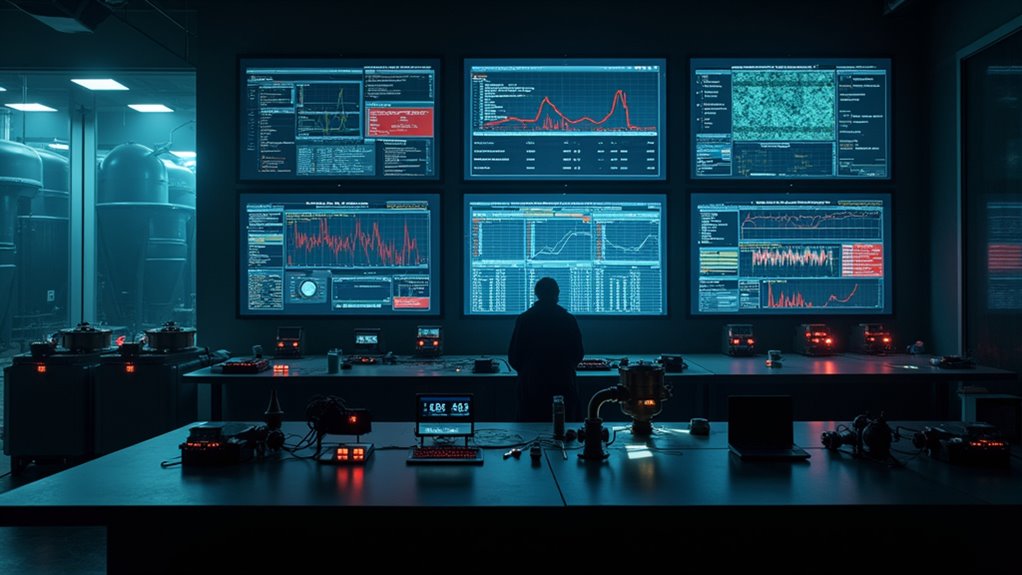
The consequences of a successful cyberattack on water systems are far-reaching and potentially devastating. Hackers can gain unauthorized access to human-machine interfaces (HMIs), allowing them to view and manipulate real-time water system controls remotely. These intrusions often go undetected, giving attackers ample time to disrupt water treatment processes, alter system settings, and even disable critical infrastructure components.
One particularly concerning vector of attack involves smart irrigation systems connected to urban water utilities. Cybercriminals can create botnets comprising thousands of compromised smart sprinklers, capable of depleting entire water reservoirs within hours. This not only results in temporary water shortages but also inflicts significant financial damage through excessive water consumption, especially in regions where water costs are high.
Smart sprinkler botnets pose a grave threat, capable of draining reservoirs and inflicting massive financial damage through coordinated water depletion attacks.

The health and environmental implications are equally alarming. When water treatment processes are compromised, improperly treated or contaminated water can reach consumers, potentially triggering disease outbreaks. The introduction of chemical or biological agents through compromised control systems poses a severe public health risk. Additionally, disruptions to water systems can impair essential services like firefighting capabilities and lead to long-term degradation of water ecosystem quality.
The scale of vulnerability is particularly concerning, with approximately a quarter of assessed systems susceptible to attacks that could cause functionality loss and denial-of-service conditions. Systems serving roughly 27 million Americans face critical and high-severity cybersecurity issues, while medium and low-level vulnerabilities affect utilities serving about 83 million people, often due to poorly secured external access portals.
Financial and operational consequences of such attacks can be severe. Water utilities face substantial costs for repairing damaged equipment, including pumps, valves, and control hardware. Service disruptions not only erode public trust but can also result in regulatory penalties. Recovery efforts demand significant time and resources, often requiring thorough cybersecurity upgrades to prevent future incidents. Recent incidents have underscored the importance of mitigating aviation cybersecurity risks, which, while primarily associated with the aviation sector, highlight similar vulnerabilities across critical infrastructure systems.
The threat to water infrastructure highlights the urgent need for improved cybersecurity measures across the utility sector. As these systems become increasingly interconnected and digitalized, the potential impact of successful cyberattacks grows exponentially. Water utilities must prioritize regular security assessments, implement robust access controls, and maintain vigilant monitoring of their systems to protect this essential resource that communities depend on for their daily lives.
Frequently Asked Questions
How Much Does It Cost to Secure a Smart Water System?
The cost to secure a smart water system varies considerably based on complexity and coverage needs. Basic sensors start around $10, while extensive whole-home systems with automatic shutoff capabilities can reach $800+.
Installation costs add $200-500 for professional setup. Additional expenses include regular maintenance, software updates, and potential monitoring fees.

Some homeowners see ROI through insurance discounts and prevented water damage, which can offset initial investments.
Can Smart Water Systems Be Hacked Through Mobile Apps?
Yes, mobile apps connected to smart water systems can be vulnerable to hacking. Cybercriminals can exploit weak authentication, poor encryption, and insecure data transmission to gain unauthorized access.
Common entry points include poorly-secured APIs, malware-infected apps, and compromised user credentials. Once breached through a mobile app, hackers could potentially control water operations, alter settings, or steal sensitive data.
Regular security updates and strong authentication protocols are essential to protect these systems.
Are There Backup Systems if Smart Water Controls Completely Fail?

Multiple backup systems exist to protect against smart water control failures.
Backup batteries guarantee functionality during power outages, while redundant pumps automatically activate if primary systems fail.
Manual override options allow direct control when smart features malfunction.
Traditional, non-smart water controls can serve as failsafes, and built-in alarm systems notify users of issues via mobile apps.

Professional support services are typically available for rapid troubleshooting and repairs.
Which Countries Have Experienced the Most Smart Water System Attacks?
Based on documented incidents, European countries have experienced the highest concentration of smart water system attacks. France, Italy, Portugal, Ireland, and the UK have all reported significant breaches in 2023.
The United States has also faced numerous attacks, particularly the Aliquippa incident.
While many attacks go unreported, countries with large urban networks and outdated security protocols seem most vulnerable.

Iran and China have been identified as common sources of these cyber threats.
How Long Does It Take to Detect a Smart Water System Breach?
Detection time for smart water system breaches varies considerably based on monitoring sophistication.
With advanced AI and machine learning systems, anomalies can be spotted within minutes to hours. However, basic monitoring setups might take days or weeks to identify irregularities.
Real-time monitoring combined with historical data analysis typically enables detection within 24-48 hours. The speed ultimately depends on the system’s capabilities, data frequency, and whether automated or manual monitoring is employed.